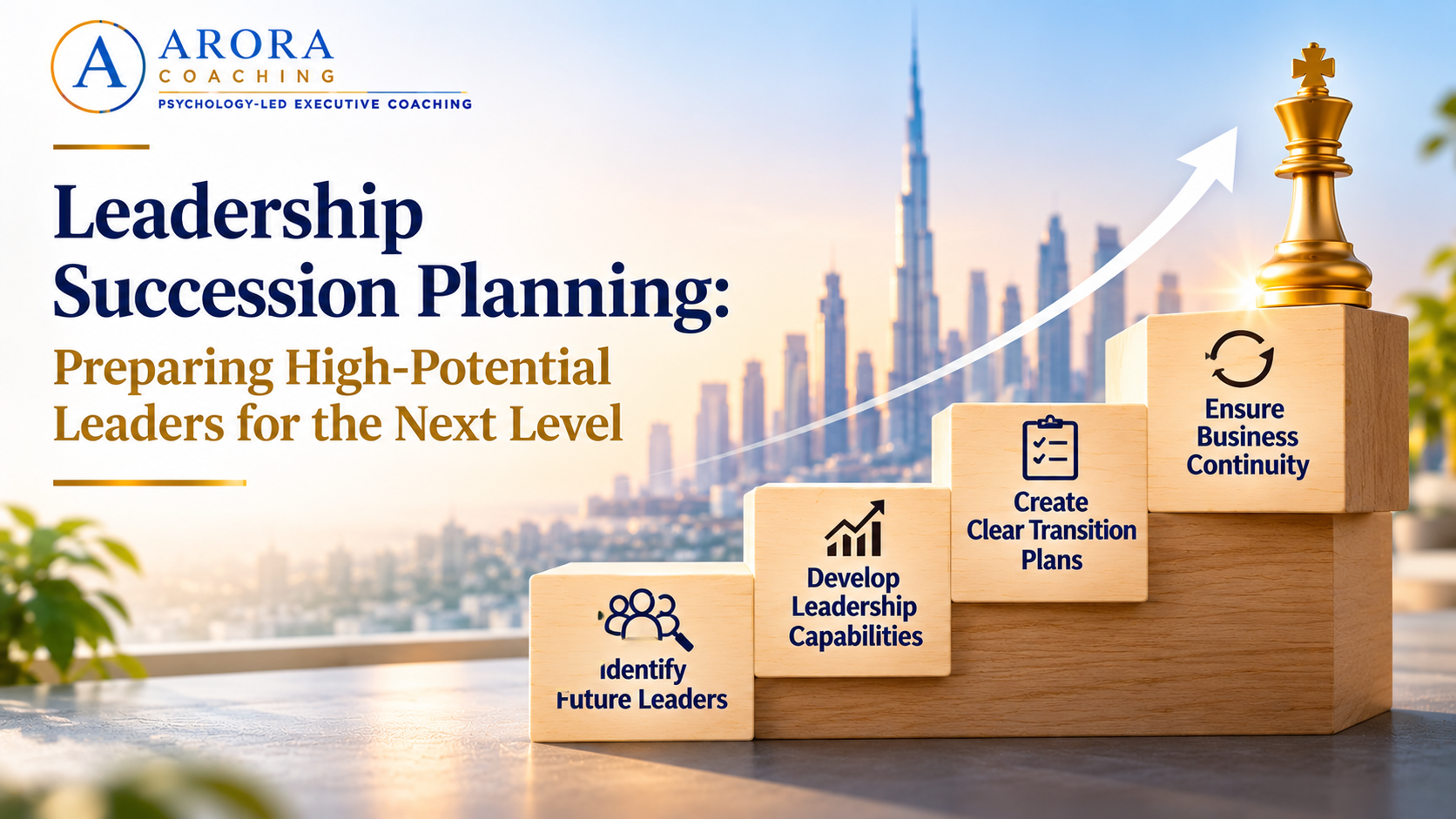
Key Highlights Succession planning is an ongoing leadership-development process, not simply the search for a replacement. Potential and readiness are different: strong current performance does not automatically mean someone ...
Key Highlights A bigger role changes not only responsibilities but also how leaders see themselves and define success. Confidence dips, identity uncertainty and the urge to prove yourself can ...
Key Highlights High-performing teams depend on shared direction, clear decision rights and consistent accountability—not constant executive supervision. Trust and psychological safety allow people to raise risks, challenge assumptions and ...
Key Highlights Executive stakeholder management involves aligning people and groups whose priorities, influence and measures of success may differ. Boards, senior teams and business functions need communication tailored to ...
Key Highlights Success can reinforce leadership habits that once worked but no longer serve a changing organisation. Authority can reduce the honest feedback executives receive, making it harder to ...
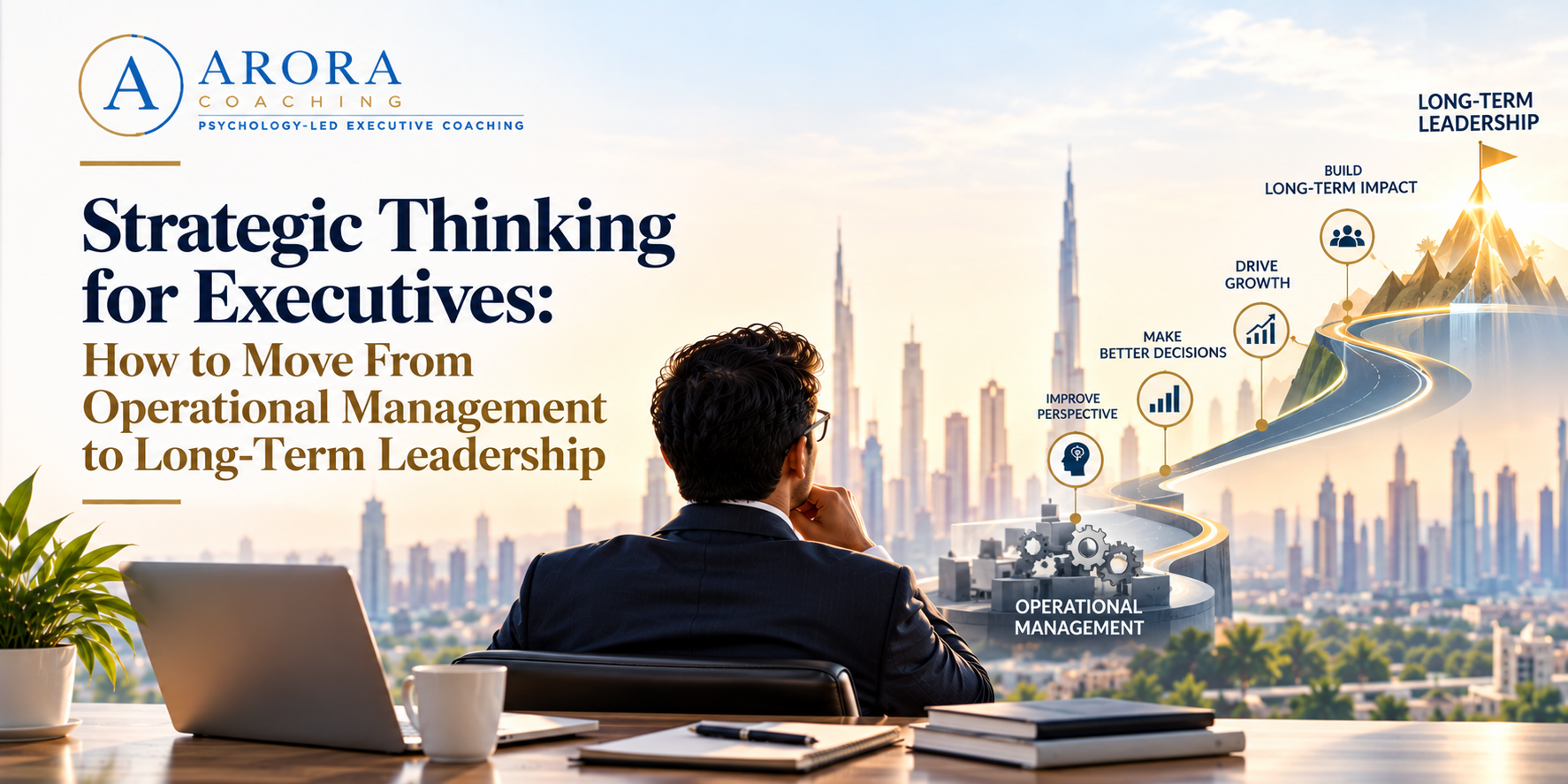
Key Highlights Strategic thinking helps executives connect daily decisions with long-term organisational goals. Constant firefighting, over-involvement and competing priorities can prevent leaders from focusing on the bigger picture. Protected ...
English (UK)
Powered by OneTap
Default